
the therapists are very experienced. i have been coming here for almost a decade, and their facial services are superb. the techniques used are fantastic and the result after treatment is always obvious. plus point : the ambience inside the treatment rooms always feel and smells great too!
Pigmentation And Brightening
Pigmentation and Brightening
Your Pigments Tells Your Life Story

Brightening is a journey, not a one-time fix. Consistency with your routine is key.
Pigmentation and brightening are two sides of the same coin, but they work in opposite directions. Understanding how they interact is crucial for achieving a healthy, even-toned complexion.
While pigmentation refers to the natural coloring of your skin determined by melanin production, brightening aims to reduce that appearance of hyperpigmentation, which are areas of excessive melanin production leading to dark patches or uneven skin tone.
What is Melanin?
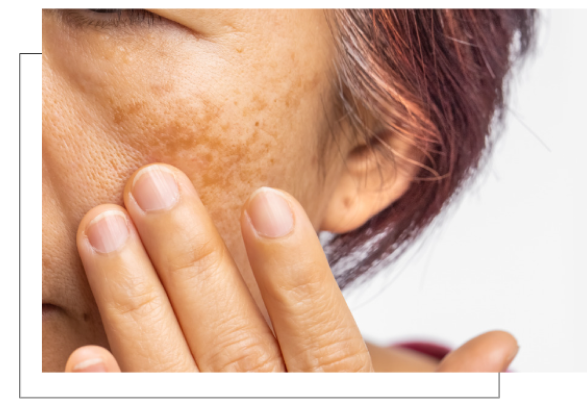
Melanin is crafted by cells called melanocytes, a pigment that interacts with light, crafting our distinct hues.
Skin pigmentation constantly evolves with life’s experiences, shaped by a combination of lifestyle choices, genetics and overall health.
The most common factor, the sun ultraviolet (UV) rays. These rays stimulate melanin production in the skin, resulting in age spots, freckles, and uneven pigmentation.
Inflammation can occur from various source such as pollution, stress which can trigger pigmentation changes.
Genes play a role in determining your natural skin tone and how susceptible you are to skin damage and other factors that influence pigmentation.
Diet, sleep, stress levels, and even certain medications can also indirectly affect pigmentation as it impacts the overall skin health and inflammation.
When dealing with hyperpigmentation, dullness, and uneven texture, individuals often seek solutions to brighten their skin.
The purpose of brightening is to diminish these issues and foster a more uniform tone. This can be achieved by exfoliating dead skin cells, unveiling the brighter and healthier skin beneath. Additionally, brightening supports enhanced cell turnover, contributing to an overall improvement in skin texture and a smoother appearance.
Although pigmentation is inevitable, you can follow these tips to try protect our skin
and reduce the rate of pigmentation.
- Add sunscreen to your daily routine, even on rainy days and reapply regularly
- Consume products with vitamin C, niacinamide and retinol to reduce appearance of age spots and uneven pigmentation.
- Practice a good sleeping pattern. Lack of sleep can lead to a higher release of adrenocorticotropic hormone, a hormone produced by the pituitary gland which affects skin colour.
Brightening Facial Experience
Everyone’s skin is unique and changes constantly.
At Carragheen, all facial programmes are customised according to your skin needs.
Google Reviews by Trusted Customers
Carragheen

lena chew
Yixuan Ni
Carragheen is a place that ive repeatedly gone to for my eyelash and facials over the past decade. The staff here do not hard sell products nor services, which provides me with an oasis to look forward to every month. I would always book both eyelash and facial in one session so as to maximise my time efficiently, as i have to rush back to take care of my two toddlers. This is made possible because of Cheryl (facial) and Maine (eyelash), who are two very skilled and experienced beauticians. I would not hesitate to recommend them.
Cas T
If you are looking for natural looking lash extension, Carragheen is the place to go. Before I came to Carragheen, I had two bad experiences with lash extension at other salons. It always turned out being too dramatic despite my request for natural looking lashes.
Sera S
Been going to Carragheen for a few years now. It is a very cosy, genuine place. They have my trust over the years. I enjoy going for facials especially. They always start by reviewing my condition and then recommend the treatment best suited for me for that day. They don’t hard sell and never recommend the package just to sell the highest priced one. This is what I love about Carragheen, and its Founder Cherlyn.
Zoevin Peh
Carragheen is consistently outstanding, exceeding my expectations every time. I was completely impressed with their professionalism and customer service.
I always enjoyed my facial and Indiba body treatment in Carragheen, Cherlyn has excellent product knowledge and outstanding skills.
If you’re looking for quality products and excellent service, Carragheen is highly recommended.
Yolanda Tan
I always do Russian, D curl, 9-13 mm lashes with Elly. Booking and rescheduling are easy via WhatsApp. The environment is also usually quite quiet, which is great for introverts like me. It might not be the cheapest lash extension services on the market, but I get quietness, no hardselling of packages, and lashes that last (caveat; one has to maintain the lashes. Can’t expect to be thin if one eats and doesn’t exercise).
Sarah Lael
Tried out a number of places for lash extensions prior to my visit to Carragheen.
I had Elly do my set. She patiently understood my preferences, inspected my current lashes before recommending and confirming on a lash set. Her skills are superb and has one of the gentlest hands to ever work on my lashes. Coupled with the spacious setting and soothing ambience, I was lulled to sleep and woke up with a feathery light lashes which I was super satisfied with.
Narayani Jeyakrishnan
I did eye lash extensions for the first time with them. It was such a great experience and pleasure. The therapist reassured and had a sit down session with me to know my needs and likes before she recommend which type of lash I can have. She also throughout the session made sure I was comfortable and pain free and able to sleep in the session. Didn’t know 2 hrs passed very quickly. Will definitely come back for more. The eyelash extensions also lasted more than a month or so. Will definitely recommend Carragheen to my friends. Their promos are worth it.
Cool Ziting
I’ve been going to Maine for my eyelash extensions for years now, and I’ve never been disappointed. My lashes look natural and last so long. Plus, she’s never trying to upsell anything, which makes the whole experience so comfortable. I wouldn’t trust anyone else with my lashes!
AL
I’ve been doing my eyelashes here for the past year and the result is great! They use quality products and spend time explaining the different services to advice you based on your condition. I always get my service done with Elly, she is amazing!
Idah Yusnitah
Thank you for your really great service. I really love my henna eyebrows! I love that Carragheen had been very attentive and listened intently with my request and ensure that i am happy with my eyebrows. In addition, the place was also nice and cosy! Can’t wait to book for my next appointment soon with Carragheen.
Rasidah Caudal
Had my first eyebrows lamination! I wanted to fix my eyebrows by doing Henna Tint as they are getting too thin. Cherlyn advised me to do eye to lamination instead . The result is amazing. . I love it. Thank you!
Cy Yambao
I recently moved to SG and was worried I wouldn’t be able to find a reliable place for my brow/lash treatments. It took a lot of research, but I’m so glad I decided to go for Carragheen. I specifically requested for Elly after having read the reviews—her service is the best; she has her way of making you feel comfortable throughout the treatment and makes sure you are satisfied with the results. I’ve already scheduled my next appointment and will certainly keep coming back :)
Munn Iskandar
First time trying the henna brow and lash tint (ndp promo for both @ sgd127) and it was the same day reservation for the slot they have. Very accommodating and lovely experience. Elly made it so comfortable and is knowledgeable in her craft. Very satisfied with the results and appreciated the explanation by the counter staff too!
ijja ct
Been wanting to do henna brow with them since last year! Due to my brow colour last time(henna strokes) so i need to wait till it is fade. Very warm welcome there. Great service by all the ladies. Cheryl (if i spell it correctly) is the 1 that does my brow and she is very good in service. She know what she is doing and gives advise. I would recommend this shop to my friends, colleagues & family! Such a good service and helps me a lot in understanding. Thanks Cheryl will book appointment again with u soon near June!!
Alyssa Leow
I always have this nagging ache around the bottom of my back shoulder blade due to bad sitting posture and I used to do regular full body massage (twice a month), the really hard kind similar to Thai massage, as well as TCM cupping and tuina, yet the ache kept coming back. After I tried the Indiba massage @Carragheen, it releases that nagging ache for close to a month and it was just for 15mins!! It was pain free, really soothing and no bruises!!!
Wina A
I have been with Carragheen fore more than 5 years. I enjoy their services especially Cheryl. She’s a very attentive and professional therapist and everytime I leave Carragheen, I always feel restored and beautiful. Thank you!
Our Range of Brightening Treatments
E LIGHT FACIAL
The best solution to permanent hair removal. The energy the E-Light uses is transformed into heat that permanently destroys the hair bulb, yet does not affect the surrounding skin tissue.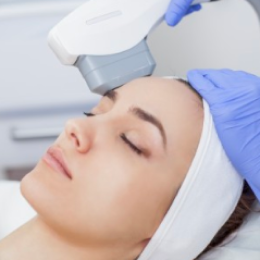
MERIDIAN GUASHA
Adopting the TCM meridian point theory used in acupuncture, the Meridian Guasha utilizes specially designed massage strokes on the key facial meridian points along energy pathways, to improve overall circulation.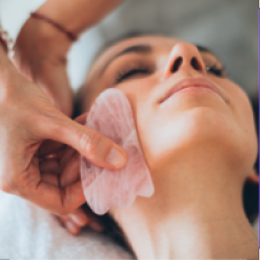
Bright C
The only technology that is able to work over the eyelids to enhance lifting and achieve micro-circulation. Results are effective on puffy eye bags caused by fatty deposits, water retention, wrinkles, lines and intense dark eye circles.
SKINNOVATION
An innovative skin renewal system which uses herbal peel to exfoliate and reduce inflammations. Combining the use of pure Vitamin C and Collagen, it helps to boost skin’s immunity, regulates sebum production and reduces scar marks.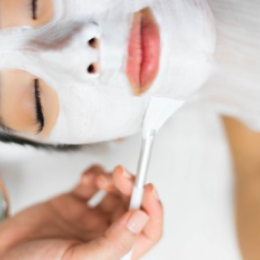
wishpro plus+
Wishpro Plus+ is the ultimate skin treatment device that combines four different proven technologies. 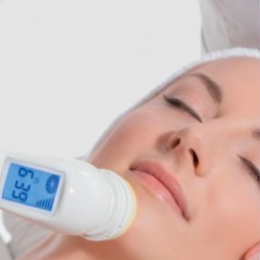
NCTF SKIN BOOSTER
The Filorga® NCTF Skin Booster Treatment revitalizes the skin and returns its once radiant and youthful appearance with its intelligently engineered nutritive ingredients, including 13 vitamins, 23 different amino acids, and 2 anti-oxidants. 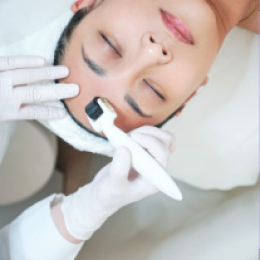
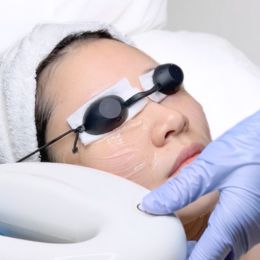
The best solution to permanent hair removal. The energy the E-Light uses is transformed into heat that permanently destroys the hair bulb, yet does not affect the surrounding skin tissue.
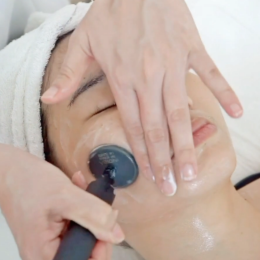
Adopting the TCM meridian point theory used in acupuncture, the Meridian Guasha utilizes specially designed massage strokes on the key facial meridian points along energy pathways, to improve overall circulation.
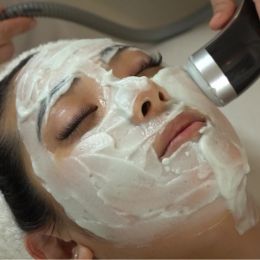
The only technology that is able to work over the eyelids to enhance lifting and achieve micro-circulation. Results are effective on puffy eye bags caused by fatty deposits, water retention, wrinkles, lines and intense dark eye circles.
An innovative skin renewal system which uses herbal peel to exfoliate and reduce inflammations. Combining the use of pure Vitamin C and Collagen, it helps to boost skin’s immunity, regulates sebum production and reduces scar marks.
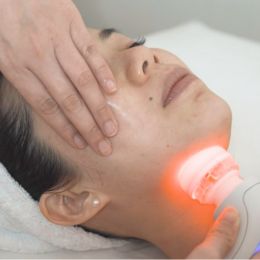
Wishpro Plus+ is the ultimate skin treatment device that combines four different proven technologies.
The Filorga® NCTF Skin Booster Treatment revitalizes the skin and returns its once radiant and youthful appearance with its intelligently engineered nutritive ingredients, including 13 vitamins, 23 different amino acids, and 2 anti-oxidants.